How important is our body language at an interview?
When we meet someone for the first time, we form a strong impression of them. Research has indicated that a large part of this impression comes from the non-verbal messages we give out, our body language and the way we dress.
Our appearance is seen by others as a reflection of our personality and values, who we are and who we want to be. So, it is important when we attend an interview that our body language is speaking up for us. The way we enter a room shows immediately how confident or not we are feeling.
How to use body language at a job interview to make a great first impression
Your body language at an interview can speak just as loudly as your words. Research shows that a large part of any first impression comes from non-verbal signals- so knowing how to present yourself physically is one of the most powerful interview skills you can develop.
Why body language matters at an interview
When you meet someone or the first time, a strong impression forms quickly- often before you have said a single word. Non-verbal cues such as posture, eye contact, facial expressions, and dress all contribute to how others perceive your personality, confidence, and values. In an interview setting, this matters more than ever.
How to enter the room with confidence
The moment you walk through the door, your body language is already being assessed. Hesitation or a slumped posture can signal nervousness before you have even introduced yourself.
*Quick tip: Take a deep breath before you enter, smile naturally, and walk in at a steady, confident pace.
If the interviewer’s body language suggests they are expecting it, offer a firm, brief handshake – it signals warmth and professionalism.
Eye contact, posture, and sitting position
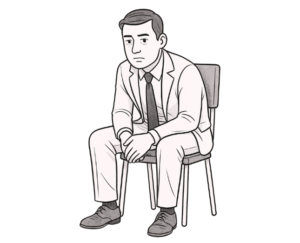
Good body language during the interview itself comes down to a few key haits:
- Eye Contact – Look at the interviewer naturally, without staring. This conveys confidence and shows you are engaged and attentive.
- Posture – Stand and sit upright, with your head up, shoulders back, and arms relaxed at your sides or in your lap.
- Lean slightly forward when seated – this signals genuine interest in what is being said.
- Stay still – fidgeting or shifting in your seat can suggest anxiety. Try to remain composed and calm.
- Use your hands naturally – a measured hand gesture can add emphasis or empathy, but avoid overusing them.
What to wear to a job interview
Your appearance is seen as a reflection of your professionalism and how seriously you are taking the opportunity. Making an effort with your dress will score you additional points, regardless of the role.
- Opt for reserved, professional clothing – dark plain colours are a safe choice (for example, a black or navy suit for men, or a tailored jacket and skirt for women).
- Avoid distracting accessories – loud ties, jangly jewellery, or anything that draws attention away from what you are saying.
- Remember you want the interviewer focused on your words, not your outfit.
* If you are offered the role, you may be advised of a company dress code that is less formal – but it is always better to be slightly overdressed at the interview stage.